Government Payment Processing Software Guide

Top takeaways
Residents want secure, flexible ways to pay across modern channels.
Better payment experiences can reduce friction for both residents and staff.
Strong reporting and reconciliation tools help agencies work more efficiently.
Government agencies need to make payments safer and easier for residents without creating more work for staff. That is not easy when many teams still rely on outdated systems, limited payment channels, and manual back-office processes.
The pressure is growing. Residents want simple, modern, mobile-friendly ways to pay taxes, utility bills, fines, permit fees, and other obligations. CSG Forte’s secure government payment solutions research shows that 80% of respondents preferred debit or credit cards, 60% preferred digital wallets, and only 23% preferred checks. At the same time, agencies still face familiar barriers—legacy technology, budget limits, and knowledge gaps.
The right government payment processing software solution helps close that gap. It can add secure digital payments, self-service options, and better reporting without forcing an agency to rebuild its core systems.
What government payment processing software should do
Strong government payment processing software should do three things well:
Accept payments securely.
Make it easy for residents to pay across channels.
Give staff the visibility they need to track payments and close the books faster.
The best government payment solutions go further. They reduce friction, cut manual work, and help agencies build trust.
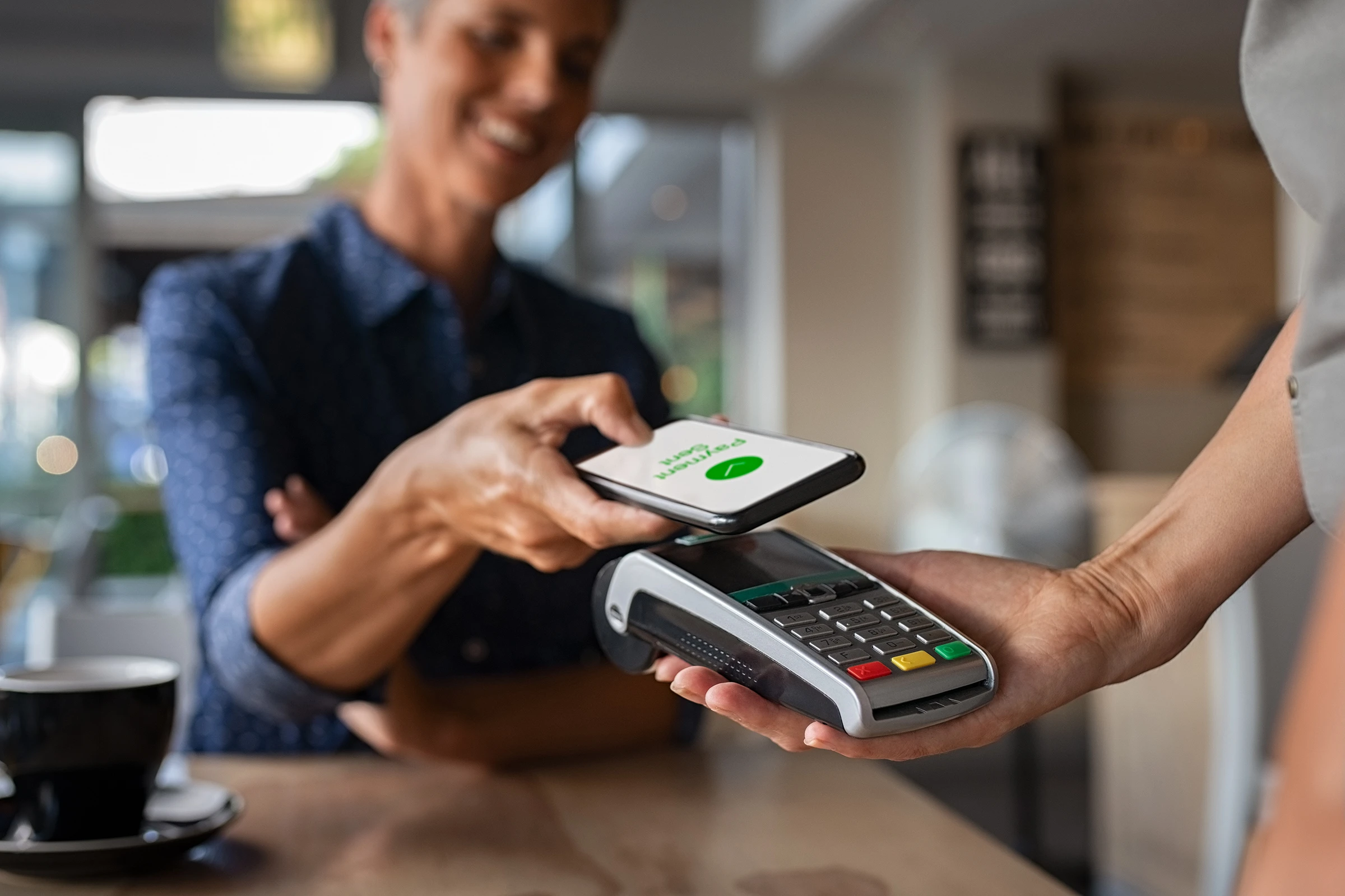
That starts with access. Residents should be able to pay online, on mobile, by phone, through interactive voice response (IVR), and in person. Agencies also need to support the payment methods people already expect, including credit cards, debit cards, ACH or eChecks, and digital wallets.
Just as important, these tools should fit the systems agencies already use. CSG Forte's government payment solutions take a practical approach: update the payment layer first, then expand over time. That may start with a hosted portal, checkout flow, IVR, or in-person acceptance—not a full rip-and-replace project.
Why legacy payment systems create friction
Residents do not think about payment infrastructure. They think about whether they can pay quickly, safely, and without confusion. When the experience feels clunky or limited, agencies feel the impact right away.
Poor digital experiences push people back to the counter or the phone. That increases manual work for teams that are already stretched thin.
Rigid payment rules can also hurt compliance. If residents can only pay in full, during limited hours, or through a narrow set of channels, some will fall behind. CSG Forte’s government payment solutions offer recurring, scheduled, and partial payment options as practical ways to help residents stay current while reducing exceptions and collections work.
Security concerns matter too. Public sector payment accounts are attractive fraud targets, and residents are less likely to use digital channels if they do not trust how their data is being handled. Secure government payment solutions need to make that protection real through PCI-aligned controls, tokenization, encryption, and safer handling of stored payment methods.
The capabilities that matter most
Omnichannel payment acceptance
Residents should be able to pay wherever they are—online, on mobile, over the phone, through interactive voice response (IVR), and in person. CSG Forte’s government payment solutions provide a single platform that can support taxes, utilities, fines, fees, and other obligations across channels while simplifying payment tracking behind the scenes.
For many agencies, that begins with digital bill presentment and self-service payments. CSG Forte BillPay serves as a hosted online portal for secure bill payment with reminders, confirmations, and one-time, scheduled, or recurring transactions. IVR extends access for residents who prefer phone-based self-service, while modern POS devices support secure in-person card payments, including EMV and contactless options.
Flexible ways to pay
A modern platform should support the way real people pay. That means one-time, scheduled, recurring, and, where policy allows, partial payments.
This flexibility matters. Rigid “pay in full” expectations can create avoidable barriers, especially for residents managing multiple bills or uneven income cycles. Electronic government payment solutions that support scheduled and recurring payments can make it easier for residents to act early and avoid missed due dates.
Stronger security and fraud controls
Security is a core requirement in government agencies. They need to protect card and ACH transactions, limit exposure to sensitive data, and help residents feel confident using digital payment channels.
CSG Forte provides a layered approach that includes PCI DSS compliance, PCI-validated P2PE for in-person card transactions, end-to-end encryption, tokenization, ACH validation, and fraud tools across digital channels. For agencies evaluating secure government payment solutions, the question is not just whether a provider can process a payment. It is whether they can help protect public funds and maintain trust.
Better visibility for staff
A payment experience is only as good as the back office behind it. Agencies need reporting, dashboards, and payment operations tools that reduce manual effort and help finance teams move faster.
CSG Forte Dex is a cloud-based platform for transaction monitoring, dispute management, reporting, analytics, refunds, and payment operations visibility in one place. The value is simple: less time chasing transactions, fewer posting issues, and more confidence in what has cleared and what needs review.
Easier integration
Many agencies cannot pause operations for a years-long systems project. They need government payment solutions that work with their existing billing software, ERP environments, treasury workflows, or citizen service systems.
That is why hosted checkout, file-based integrations, and pre-integrated partnerships matter. CSG Forte’s relationship with Accela is testimony to ways that secure payment processing can work alongside established government workflows for permitting, licensing, code enforcement, and citizen portals—while reducing custom development.
What success looks like in practice
The City of Kinston, North Carolina, shows what phased improvement can look like. Before working with CSG Forte, residents could pay utility bills by phone or at a kiosk, but not online, and other departments could not accept electronic payments.
To close that gap, CSG Forte connected Kinston’s ERP environment to a payment interface and launched Secure Web Pay Checkout with online and IVR billing support. The result was 41% year-over-year growth in electronically processed transactions, along with less cash handling, fewer checks, lower bank fees, and time savings for staff.
Lucas County, Ohio, saw similar gains. The county modernized a paper-heavy tax payment process, expanded card and eCheck options, added phone payments, retained its existing infrastructure, and saw more than 280% growth in annual transactions over six years, with fewer posting issues and fewer complaints about fees.
These examples show that agencies do not need to choose between progress and continuity. With the right payment processing software for government, they can improve the resident experience and simplify internal workflows step by step.
Ready to learn more about how CSG Forte can help your department modernize its payment processing platform? Contact our team of experts today.